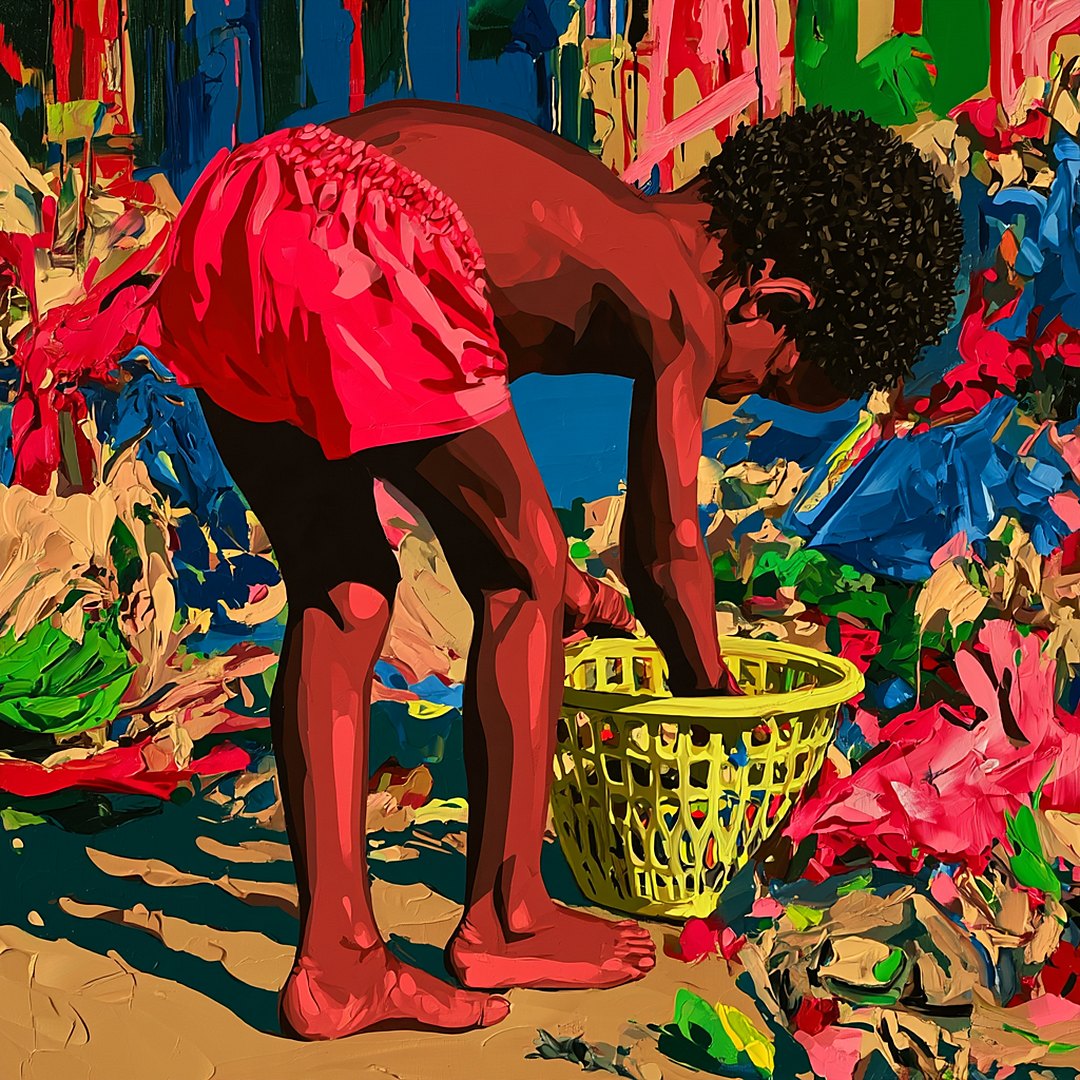
Every one of us walks around with a set of invisible instructions. We got them from our parents, grandparents, neighbors, churches, schools and the streets we grew up on. Those instructions tell us how to think about money, work, risk, authority and people who are different from us. Most of the time we do not even notice they are there.
Children pick up what adults say and, even more, what adults do. If money is talked about with fear, they learn fear. If business is talked about as possible, they learn possibility. Our upbringing is not just a memory. It becomes the lens we use for the rest of our lives.
Think about money. Some people grew up hearing that you should never take on debt. Others grew up watching family members use credit to build something. Some learned that talking about money was rude. Those early lessons follow us into adulthood, and they often show up in how people react to a lease, a loan or a marketing budget.
Think about risk. Some people see entrepreneurship as exciting. Others see it as reckless because, where they come from, a steady paycheck was the only safe path. Neither view is wrong. They are both shaped by experience.
Think about people. Our upbringing teaches us who to trust, who to fear and who belongs. If you grew up in one neighborhood and rarely left it, your idea of normal may be very narrow. That is not a character flaw. It is a starting point, and starting points can expand.
Psychology has a lot to say about how early experiences shape the way we process the world. The good news is that awareness gives us choices. Once you notice the instructions you were given, you can decide which ones to keep and which ones to rewrite.
Here are a few questions worth asking yourself:
What did I learn about money growing up, and is it still true for me?
What did I learn about people who are different from me, and has my experience confirmed or challenged it?
What did I learn about success, and whose definition was it?
What lessons am I passing on, on purpose or by accident?
Understanding our upbringing also makes us more patient with others. When someone reacts in a way that does not make sense to us, there is usually a story behind it. Asking about that story builds understanding instead of conflict.
We cannot change where we came from. But we can understand it, honor what was good, and grow past what no longer serves us. That is how we widen our view of the world.